Failure-First AI Agents: Designing Timeouts, Fallbacks, and Human Handoffs That Don't Break Prod
How to build agents that fail safely instead of failing loudly.
32 posts found
Page 2 of 4
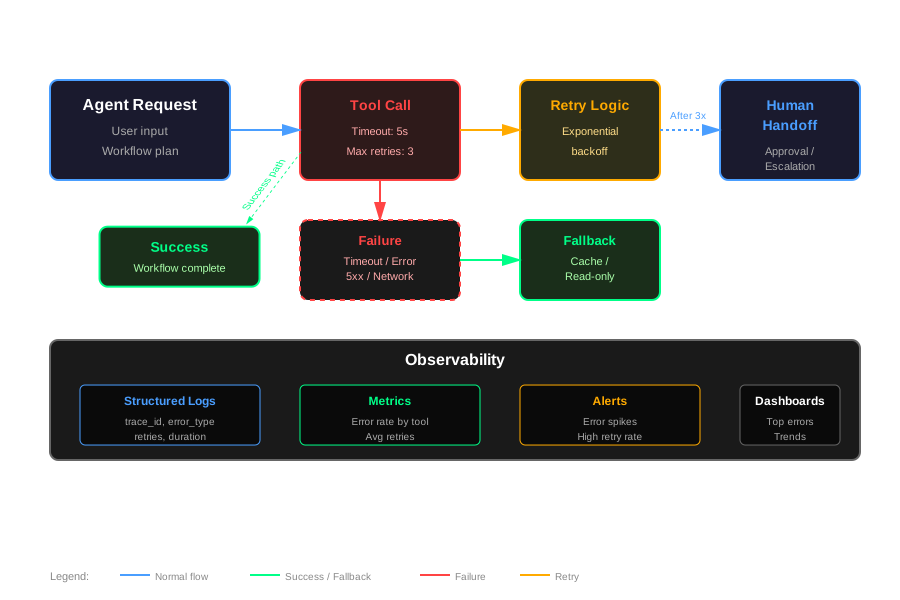
How to build agents that fail safely instead of failing loudly.
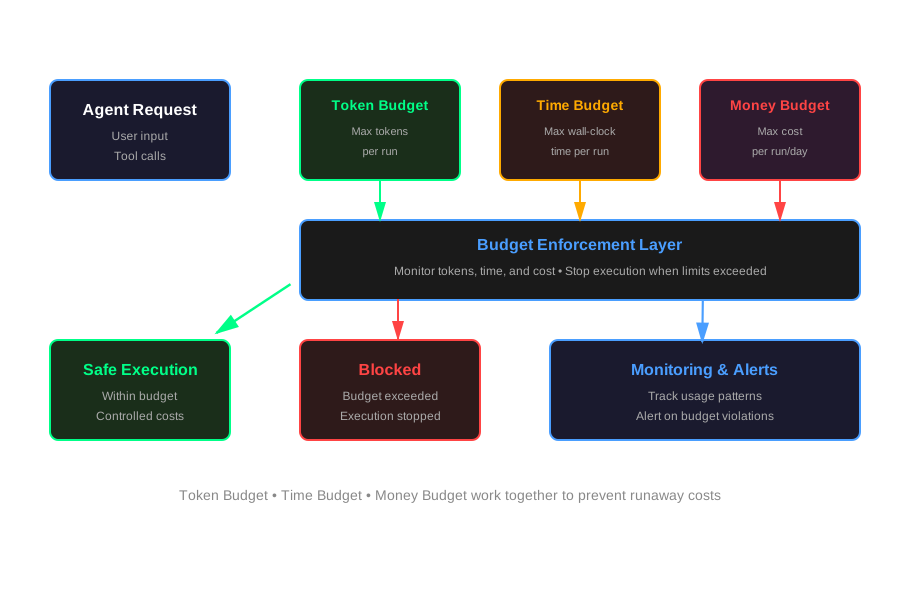
How to stop agents from looping forever, burning tokens, and slowing everything down.
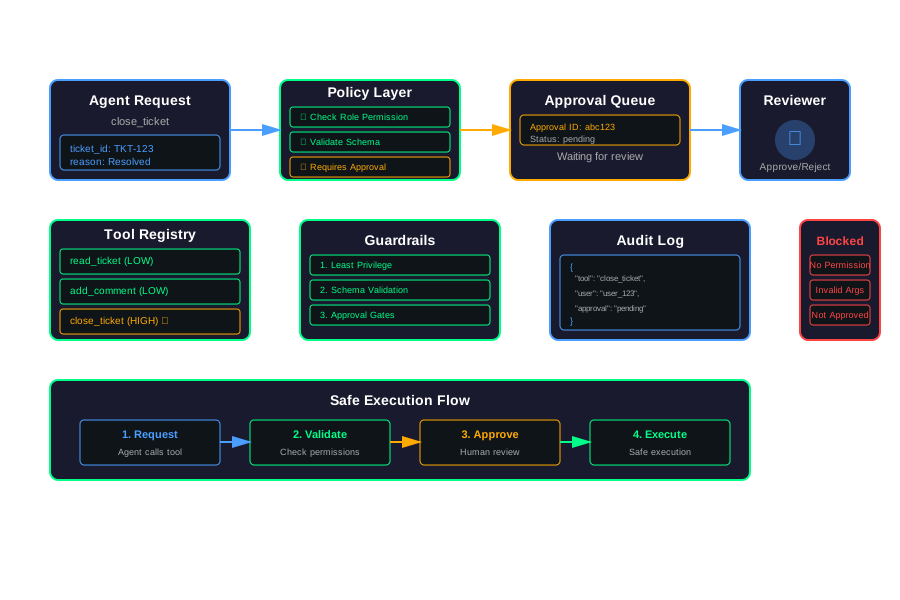
How to stop your agents from doing unsafe or surprising things when they call tools like email, payments, or internal APIs.
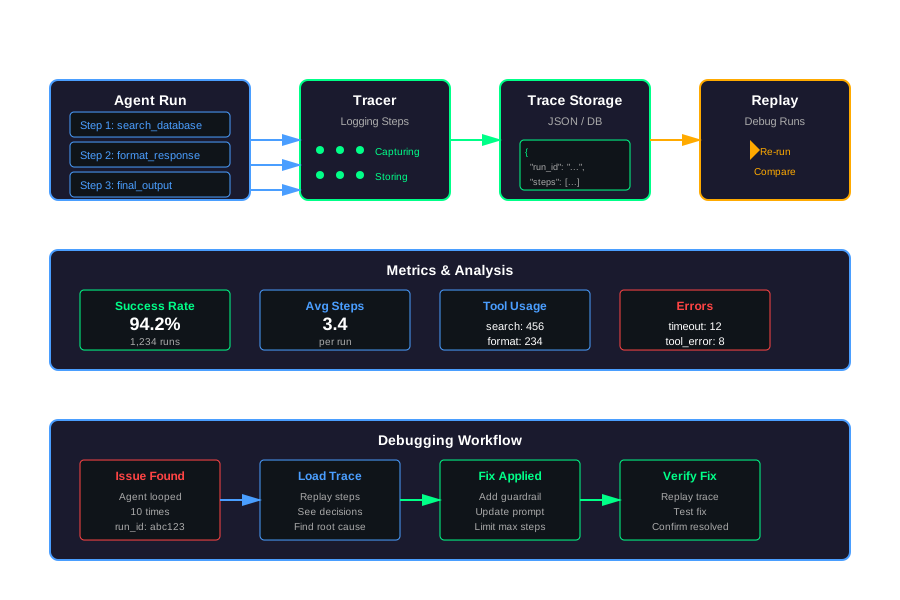
How to see what your agent actually did, step by step, and debug it like normal software. A practical guide to logging, replaying, and debugging AI agent workflows.
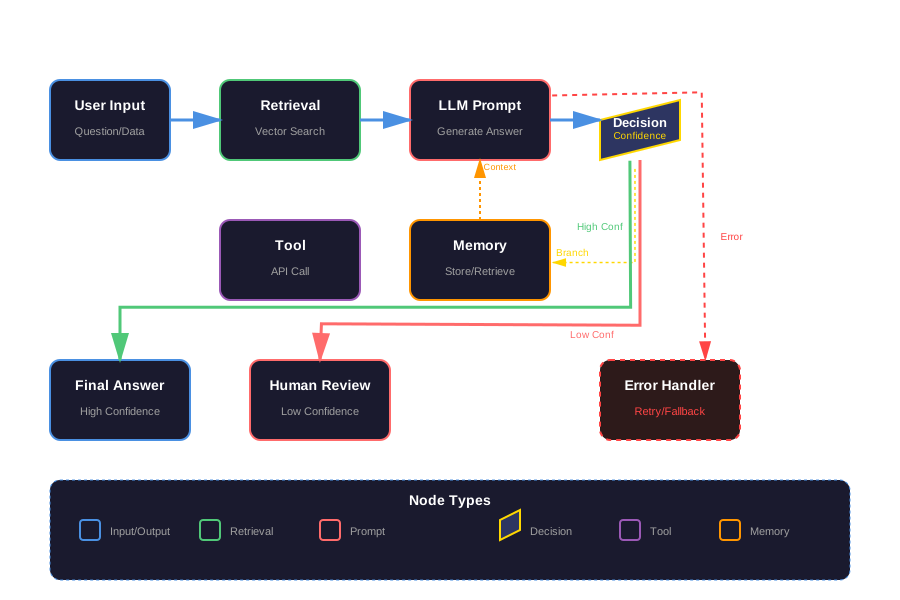
Move beyond linear prompt chains to graph-based workflows. Learn how to design robust LLM pipelines with branching, error handling, and observability using prompt-graph architecture.
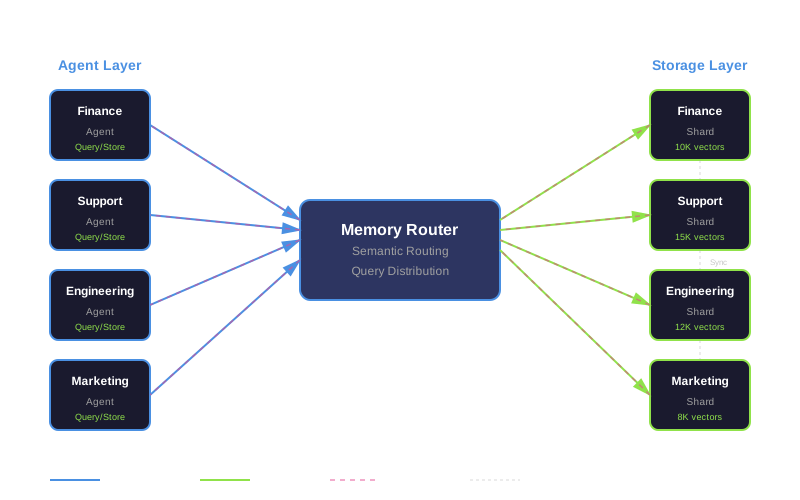
Building distributed cognitive memory for multi-agent ecosystems. Learn how memory sharding solves context collisions, slow retrieval, and redundant embeddings in large-scale agent systems.
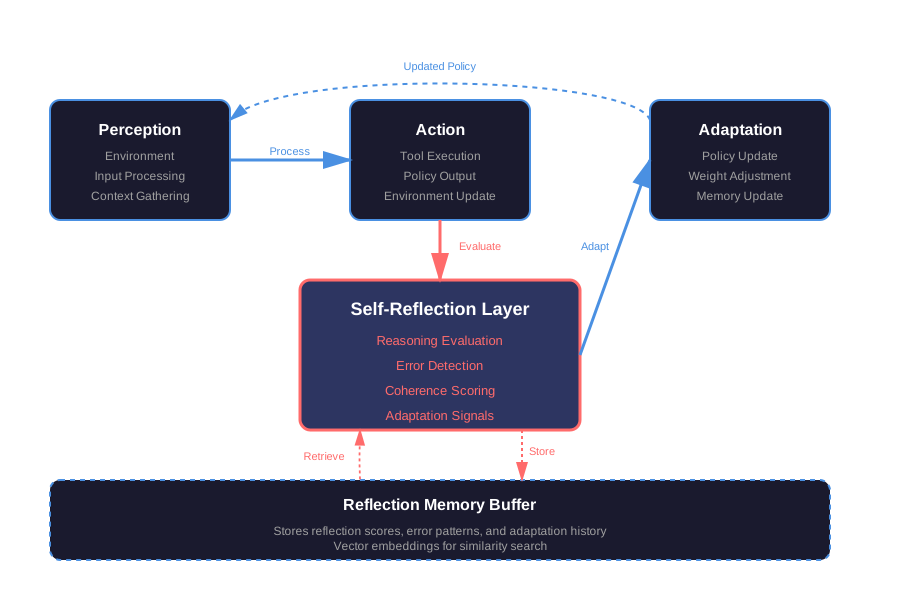
How AI agents can evaluate and adjust their own reasoning loops dynamically using internal reflection models. Practical guide to building agents that self-correct and adapt in real-time.
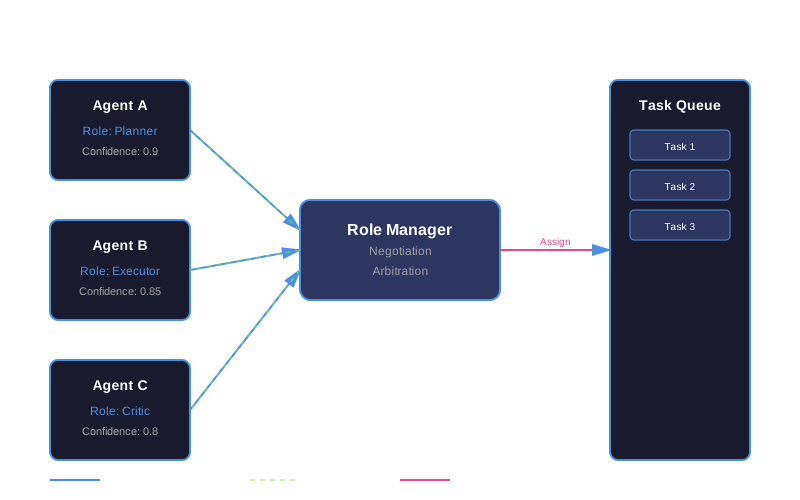
How autonomous AI agents can dynamically negotiate and adapt roles in real-time collaborations using LLM-driven role arbitration and reinforcement learning. Practical guide to building self-organizing agent teams.
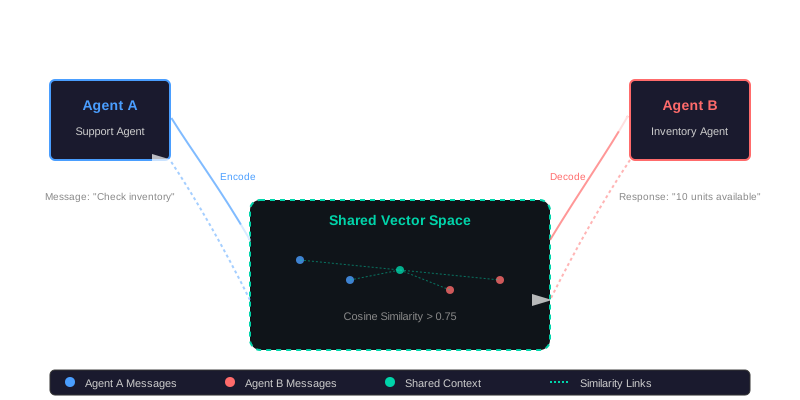
How AI agents can communicate through shared vector spaces instead of brittle API schemas. Learn to build Vector-Space Protocols (VSPs) that enable semantic interoperability and emergent cooperation in multi-agent systems.
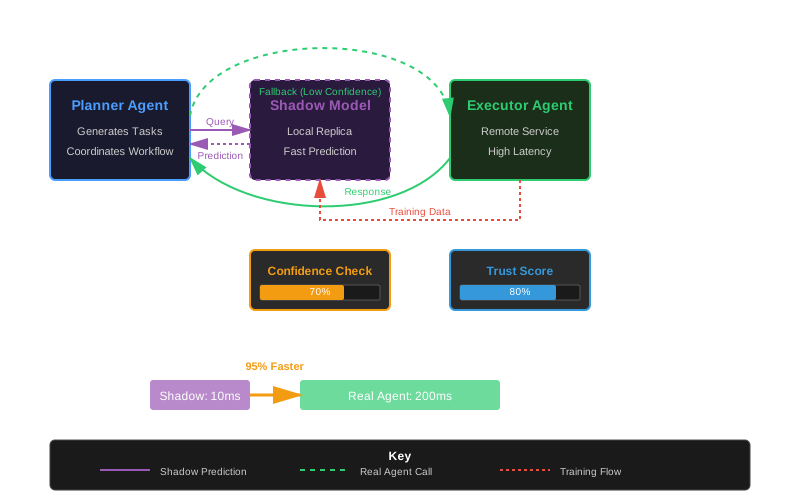
How to build lightweight local replicas that predict remote agent responses to cut coordination latency in multi-agent workflows. Practical guide to shadow models with Python examples.